
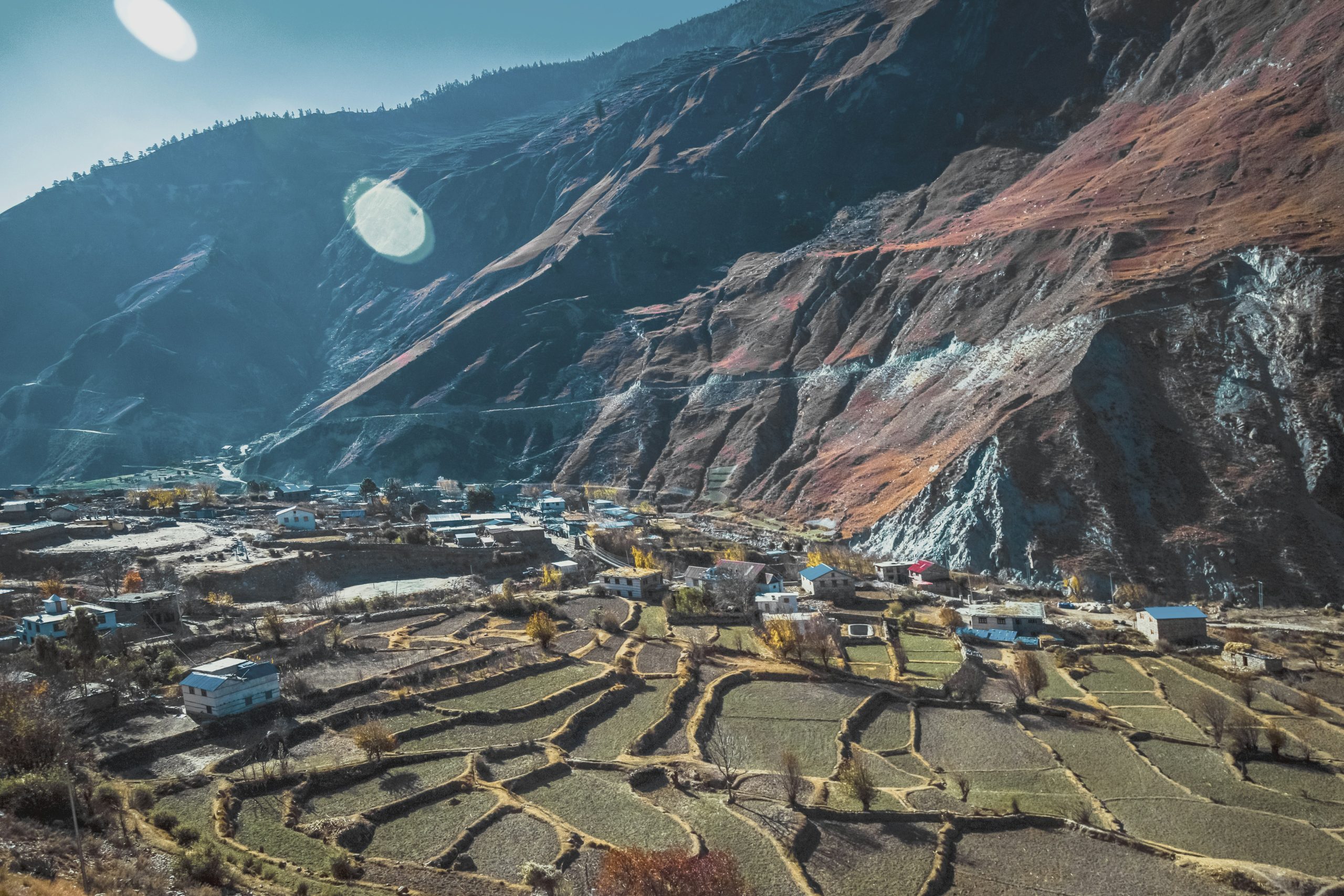
The Beni to Lower Dolpo Trek is a unique and adventurous trekking route that traverses through some of Nepal's most remote and less-explored regions. Starting from Beni, the trek follows the Kali Gandaki River, crosses several high passes, and winds through diverse landscapes, including lush forests, arid plateaus, and high mountain valleys. The journey offers a rare opportunity to explore the culturally rich and traditionally preserved Dolpo region, which is also home to the famous Shey Phoksundo Lake and ancient Tibetan Buddhist monasteries.
No reviews yet
From
$3000.00
Max People
20
Min Age
4
About This Tour
Highlights
- Shey Phoksundo Lake: The largest lake in Nepal, surrounded by high cliffs and snow-capped peaks.
- High Mountain Passes: Cross challenging passes like Charka La (5,110m) and Muri La (5,050m).
- Cultural Encounters: Experience the unique culture and traditions of the Dolpo people, an ethnic group with Tibetan roots.
- Remote Trekking Trails: Traverse through remote and unspoiled landscapes, away from the more crowded trekking routes.
- Natural Beauty: Witness diverse flora and fauna, including the blue sheep and Himalayan marmot.
Tour Plan
Expand allCollapse allDay 1: Arrival in Kathmandu
- Arrival at Tribhuvan International Airport and transfer to your hotel.
- Evening welcome dinner with cultural program.
- Accommodation: 3-star hotel in Kathmandu
- Meals: Welcome Dinner
Day 2: Drive from Kathmandu to Beni (820m)
- Journey Duration: 8-9 hours
- Scenic drive along the Trishuli River and through terraced hills.
- Accommodation: Tea House in Beni
- Meals: Breakfast, Lunch, Dinner
Day 3: Trek from Beni to Darbang (1,280m)
- Trek Duration: 5-6 hours
- Trek through terraced fields and villages of the Magar community.
- Accommodation: Tea House in Darbang
- Meals: Breakfast, Lunch, Dinner
Day 4: Trek from Darbang to Sallaghari (1,800m)
- Trek Duration: 5-6 hours
- Continue through mixed forests and small streams.
- Accommodation: Tea House in Sallaghari
- Meals: Breakfast, Lunch, Dinner
Day 5: Trek from Sallaghari to Muri (2,850m)
- Trek Duration: 6-7 hours
- Ascend gradually through forests and scattered villages.
- Accommodation: Tea House in Muri
- Meals: Breakfast, Lunch, Dinner
Day 6: Trek from Muri to Phalai Gaon (3,150m)
- Trek Duration: 5-6 hours
- Enjoy views of Dhaulagiri and its surrounding peaks.
- Accommodation: Tea House in Phalai Gaon
- Meals: Breakfast, Lunch, Dinner
Day 7: Trek from Phalai Gaon to Naura Bensi (3,600m)
- Trek Duration: 6-7 hours
- Cross suspension bridges and climb through alpine meadows.
- Accommodation: Tea House in Naura Bensi
- Meals: Breakfast, Lunch, Dinner
Day 8: Trek from Naura Bensi to Shey Phoksundo Lake (3,600m)
- Trek Duration: 5-6 hours
- The stunning Shey Phoksundo Lake with turquoise waters surrounded by forested hills.
- Accommodation: Tea House in Shey Phoksundo Lake
- Meals: Breakfast, Lunch, Dinner
Day 9: Rest day at Shey Phoksundo Lake
- Explore the area and visit the Shey Gompa (Tibetan Buddhist monastery).
- Enjoy the natural beauty and the tranquility of the lake.
- Accommodation: Tea House in Shey Phoksundo Lake
- Meals: Breakfast, Lunch, Dinner
Day 10: Trek from Shey Phoksundo Lake to Chhepka (2,680m)
- Trek Duration: 6-7 hours
- Continue through mixed forests and cross several rivers.
- Accommodation: Tea House in Chhepka
- Meals: Breakfast, Lunch, Dinner
Day 11: Trek from Chhepka to Dunai (2,850m)
- Trek Duration: 5-6 hours
- A scenic journey through the Dolpo region.
- Accommodation: Tea House in Dunai
- Meals: Breakfast, Lunch, Dinner
Day 12: Trek from Dunai to Tarakot (2,850m)
- Trek Duration: 5-6 hours
- Cross a number of suspension bridges over the Bheri River.
- Accommodation: Tea House in Tarakot
- Meals: Breakfast, Lunch, Dinner
Day 13: Trek from Tarakot to Laisicap (3,300m)
- Trek Duration: 6-7 hours
- Steady climb through pine and oak forests.
- Accommodation: Tea House in Laisicap
- Meals: Breakfast, Lunch, Dinner
Day 14: Trek from Laisicap to Dho Tarap (4,040m)
- Trek Duration: 7-8 hours
- Cross the challenging Charka La Pass (5,110m).
- Views of snow-capped peaks and Tibetan Plateau landscape.
- Accommodation: Tea House in Dho Tarap
- Meals: Breakfast, Lunch, Dinner
Day 15: Rest day at Dho Tarap
- Explore the ancient monasteries and interact with local people.
- Accommodation: Tea House in Dho Tarap
- Meals: Breakfast, Lunch, Dinner
Day 16: Trek from Dho Tarap to Numla Base Camp (4,850m)
- Trek Duration: 7-8 hours
- Ascend through alpine meadows and remote landscapes.
- Accommodation: Tented Camp at Numla Base Camp
- Meals: Breakfast, Lunch, Dinner
Day 17: Trek from Numla Base Camp to Numa La Pass (5,190m)
- Trek Duration: 8-9 hours
- Cross the Numa La Pass, one of the highest passes in the region.
- Views of Kanjirowa Himal and surrounding peaks.
- Accommodation: Tented Camp near Numa La Pass
- Meals: Breakfast, Lunch, Dinner
Day 18: Trek from Numa La Pass to Bagala Pass Base Camp (5,020m)
- Trek Duration: 7-8 hours
- Continue trekking along the remote trails of Lower Dolpo.
- Accommodation: Tented Camp in Bagala Pass Base Camp
- Meals: Breakfast, Lunch, Dinner
Day 19: Trek from Bagala Pass Base Camp to Chharka (4,200m)
- Trek Duration: 5-6 hours
- Descend through a barren landscape towards Chharka.
- Accommodation: Tea House in Chharka
- Meals: Breakfast, Lunch, Dinner
Day 20: Trek from Chharka to Dho Tarap (4,040m)
- Trek Duration: 6-7 hours
- Retrace your steps back to Dho Tarap.
- Accommodation: Tea House in Dho Tarap
- Meals: Breakfast, Lunch, Dinner
Day 21: Trek from Dho Tarap to Tarakot (2,850m)
- Trek Duration: 6-7 hours
- Descend through lush forests and villages.
- Accommodation: Tea House in Tarakot
- Meals: Breakfast, Lunch, Dinner
Day 22: Trek from Tarakot to Dunai (2,850m) and drive back to Kathmandu
- Trek Duration: 5-6 hours
- Private jeep transfer back to Kathmandu.
- Accommodation: 3-star hotel in Kathmandu
- Meals: Breakfast, Lunch, Farewell Dinner
Day 23: Departure from Kathmandu
- Transfer to Tribhuvan International Airport for your onward journey.
- Meals: Breakfast
What’s Included
- Accommodation in Kathmandu and Tea Houses/Tented Camps during the trek.
- Full-board meals during the trek.
- Licensed trekking guide and porter (including their meals, insurance, and accommodation).
- Private jeep transfer from Kathmandu to Beni and back.
- Local jeep transfer from Beni to Dunai.
- Dolpo Restricted Area Permit and Shey Phoksundo National Park Permit.
- Welcome and farewell dinners in Kathmandu.
- All government taxes and service charges.
- International airfare.
- Nepal entry visa fee.
- Travel insurance (mandatory, including emergency evacuation).
- Personal expenses (snacks, drinks, laundry, etc.).
- Tips for guides and porters.
- Extra nights in Kathmandu or during the trek due to unforeseen circumstances.
FAQ
What are the best months to visit Nepal?
The best time to visit Nepal is during the spring (March to May) and autumn (September to November) seasons. These months offer pleasant weather and clear skies, ideal for trekking, sightseeing, and outdoor activities. The monsoon season (June to August) can bring heavy rains, while winter (December to February) can be cold, especially in the mountains.
What are the top tourist destinations in Nepal?
Nepal is famous for its diverse attractions, including the bustling capital, Kathmandu, the serene lakeside city of Pokhara, the famous trekking routes to Everest Base Camp and Annapurna Circuit, the historical city of Bhaktapur, and the Chitwan National Park for wildlife safaris. Lumbini, the birthplace of Lord Buddha, is another major destination.
Is it safe to travel to Nepal?
Nepal is generally considered safe for travelers. However, it’s always important to take normal precautions like being aware of your surroundings, especially in crowded areas. Trekking routes are well-traveled, but hiring a guide for high-altitude treks is recommended for added safety.
What should I pack for my trip to Nepal?
Packing depends on the season and your planned activities. Essentials include comfortable walking shoes, lightweight clothes for warmer areas, warmer layers for the mountains, a good-quality rain jacket, and a hat and sunglasses for sun protection. If trekking, specialized gear like a good backpack, sleeping bag, and hiking boots is important.
What languages are spoken in Nepal?
The official language of Nepal is Nepali. However, in tourist areas, you will find people who speak English, especially in hotels, restaurants, and tour agencies. Other regional languages like Newari, Maithili, and Tharu are spoken in different parts of the country.
Are credit cards widely accepted, or should I carry cash?
In major cities like Kathmandu and Pokhara, many hotels, restaurants, and shops accept credit cards. However, in rural areas and trekking routes, cash is essential as credit card facilities are limited. It’s a good idea to carry enough Nepalese Rupees for daily expenses, especially when traveling outside of urban areas.
What are the best trekking routes in Nepal?
Nepal offers some of the best trekking experiences in the world. Popular routes include the Everest Base Camp Trek, Annapurna Circuit, Langtang Valley Trek, Manaslu Circuit, and the Upper Mustang Trek. Each route offers stunning landscapes, cultural experiences, and varying levels of difficulty.
Do I need a permit for trekking in Nepal?
Yes, most trekking areas in Nepal require permits. Common permits include the TIMS (Trekkers’ Information Management System) card and permits for specific regions, such as the Annapurna Conservation Area Permit (ACAP) or Sagarmatha National Park Permit for the Everest region. Ensure you check the specific permits required for your chosen trek.
What is the best time of year to trek in Nepal?
The best time to trek in Nepal is during the autumn (September to November) and spring (March to May) seasons. These periods offer stable weather, clear skies, and moderate temperatures. Winter treks are possible but can be challenging due to snow, while the monsoon season brings rain and leeches to some lower-altitude trails.
How difficult is the trek to Everest Base Camp?
The Everest Base Camp Trek is considered moderately difficult. While it does not require technical climbing skills, it involves long days of hiking at high altitudes, which can cause altitude sickness. A good level of fitness, acclimatization, and mental preparation are key to completing this trek successfully.
Is it necessary to hire a guide and porter for trekking?
While it’s possible to trek independently in many areas, hiring a guide and porter is highly recommended, especially for high-altitude or remote treks. Guides provide valuable insights into the local culture, manage permits, and ensure safety, while porters help carry your heavy luggage, making the trek more enjoyable.
What kind of accommodation is available during trekking?
Most trekking routes offer “teahouse” accommodation, which are simple guesthouses run by local families. Teahouses provide basic meals and lodging, often with shared bathrooms. In remote areas, facilities may be more basic, so it’s important to pack appropriately.
What should I pack for a trekking trip in Nepal?
Essential trekking gear includes sturdy hiking boots, a warm sleeping bag, moisture-wicking clothing, a down jacket, gloves, a hat, and sunglasses. Don’t forget a first-aid kit, water purification tablets, and a backpack to carry your essentials. You can rent or buy trekking gear in Kathmandu or Pokhara if needed.
What are the must-see cultural sites in Nepal?
Nepal is rich in cultural heritage. Key sites include Swayambhunath (Monkey Temple) and Boudhanath Stupa in Kathmandu, Pashupatinath Temple, Durbar Squares in Kathmandu, Bhaktapur, and Patan, and Lumbini, the birthplace of Lord Buddha. These sites offer a glimpse into Nepal’s ancient history and vibrant religious traditions.
Can I visit temples and religious sites in Nepal? Are there any specific guidelines?
Yes, visitors are welcome to visit temples and religious sites, but there are guidelines to follow. Dress modestly, covering your shoulders and knees, and always remove your shoes before entering temples. Be respectful of local customs, and avoid pointing your feet towards religious statues or shrines.
What are the most important festivals in Nepal, and when do they take place?
Major festivals in Nepal include Dashain and Tihar, which usually fall in October and November, respectively. Other important festivals are Holi (March), Buddha Jayanti (April/May), and Teej (August/September). These festivals are colorful celebrations of culture, religion, and community.
Is there a dress code for visiting temples and cultural sites?
Yes, it is recommended to dress conservatively when visiting religious or cultural sites. For both men and women, it’s best to cover your shoulders and knees as a sign of respect for local customs.
What is the best way to travel within Nepal?
Domestic flights are the fastest way to travel between major cities like Kathmandu, Pokhara, and Lukla (for Everest treks). Buses and taxis are widely available for road travel, though roads can be bumpy in rural areas. For trekking routes, hiking is the primary mode of transportation, sometimes with mule or yak support.
How do I book domestic flights in Nepal?
Domestic flights can be booked through airlines’ websites, travel agencies, or directly at the airport. It’s advisable to book early during peak trekking seasons as flights to popular destinations like Lukla (for Everest) can fill up quickly.
What types of accommodation are available in Nepal?
Nepal offers a wide range of accommodation options, from luxury hotels and boutique resorts in cities to budget guesthouses and teahouses in trekking areas. Homestays are also a popular way to experience local culture.
How can I get from Kathmandu to Pokhara?
You can travel from Kathmandu to Pokhara by domestic flight (approximately 25 minutes) or by bus, which takes around 6-8 hours. Tourist buses are comfortable and scenic but can be slower than flying.
Do I need travel insurance for Nepal?
Yes, travel insurance is highly recommended, especially if you plan to trek or engage in adventure activities. Make sure your insurance covers high-altitude trekking, medical emergencies, and evacuations.
Do I need vaccinations before traveling to Nepal?
It is recommended to consult your doctor before traveling to Nepal. Common vaccinations include Hepatitis A and B, Typhoid, and Tetanus. If traveling to rural or jungle areas, vaccines for Malaria and Japanese Encephalitis may be suggested.
What should I know about altitude sickness?
Altitude sickness can affect travelers trekking above 2,500 meters. Symptoms include headaches, dizziness, and nausea. To prevent it, ascend slowly, stay hydrated, and take time to acclimatize. If symptoms persist, descend immediately and seek medical help.
Is tap water safe to drink in Nepal?
No, it is not advisable to drink tap water in Nepal. Stick to bottled water or use water purification tablets or filters if necessary.
Are there good medical facilities in Nepal?
Major cities like Kathmandu and Pokhara have good medical facilities, including international-standard hospitals and clinics. In rural and trekking areas, medical facilities can be limited, so it’s important to carry a basic first-aid kit and travel insurance for emergencies.
What kind of travel insurance should I have for trekking or adventure activities?
Ensure your travel insurance covers high-altitude trekking, emergency medical treatment, evacuation, and any specific adventure activities you plan to do. It’s crucial for trekking at elevations over 4,000 meters.
Do I need a visa to travel to Nepal?
Yes, most travelers need a visa to enter Nepal. You can obtain a visa on arrival at Tribhuvan International Airport or at land border crossings. You can also apply for a visa at Nepalese embassies or consulates in your country. Tourist visas are available for 15, 30, or 90 days, and extensions are possible.
You May Also Like
$2200.00
$2500.00
$1500.00

$2300.00
$500.00

$1950.00
Book This Tour
Last Minute Deals
$500.00

$500.00


$500.00