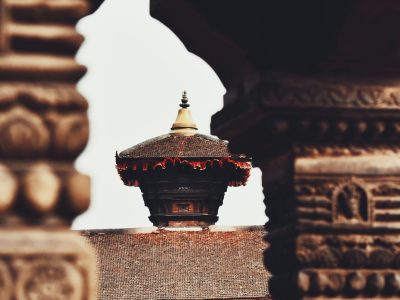

Discover the top 10 best photography spots in Nepal for landscape lovers. Capture stunning views of the Himalayas, serene lakes, and vibrant culture with this ultimate guide.
Nepal is a paradise for photographers, offering some of the most breathtaking landscapes in the world. From towering snow-capped mountains to lush valleys and ancient temples, the country is a treasure trove of photographic opportunities. If you’re a landscape lover with a camera in hand, Nepal is the perfect destination for you. In this guide, we’ll explore the top 10 best photography spots in Nepal where you can capture the essence of this stunning country.
Why Nepal is a Dream Destination for Landscape Photography
Nepal’s diverse topography and rich cultural heritage make it a dream destination for landscape photographers. The dramatic contrast between the soaring peaks of the Himalayas and the verdant valleys below offers endless opportunities for capturing stunning images. Whether you’re trekking in the mountains, exploring ancient temples, or photographing wildlife in the jungles, Nepal’s landscapes are guaranteed to inspire and challenge your photography skills.
The country’s natural beauty is complemented by its unique light, especially during the golden hours at sunrise and sunset, which add an ethereal quality to any photograph. With such a wide variety of environments, every photographer will find something to capture in Nepal.
Top 10 Best Photography Spots in Nepal
Mount Everest and Everest Base Camp
No list of photography spots in Nepal would be complete without mentioning Mount Everest, the highest peak in the world. The trek to Everest Base Camp is filled with breathtaking views of the Himalayas, including iconic shots of Everest itself. The surrounding Khumbu region, with its deep valleys, glaciers, and traditional Sherpa villages, offers incredible photo opportunities at every turn.
- Best Time to Visit: October to November and March to May, when the skies are clear and the weather is stable.
- Pro Tip: Sunrise and sunset shots of Everest from Kala Patthar provide some of the most iconic views.
Annapurna Range from Poon Hill
The Annapurna Range is one of the most photographed mountain ranges in Nepal, and the view from Poon Hill is simply spectacular. This popular viewpoint offers a panoramic vista of the Annapurna and Dhaulagiri ranges, especially at sunrise, when the peaks are bathed in golden light.
- Best Time to Visit: October to November and March to May.
- Pro Tip: Arrive early in the morning to secure a good spot and capture the full range of colors as the sun rises.
Rara Lake
Located in the remote northwest of Nepal, Rara Lake is the largest lake in the country and a hidden gem for photographers. The lake is surrounded by pine forests and snow-capped mountains, creating a tranquil and picturesque setting that is perfect for landscape photography.
- Best Time to Visit: September to November and April to May.
- Pro Tip: Try to capture the reflections of the surrounding mountains in the clear, still waters of the lake.
Langtang Valley
The Langtang Valley is often referred to as the “Valley of Glaciers” and is renowned for its stunning scenery. The valley offers a mix of dense forests, high alpine meadows, and dramatic mountain landscapes, with the Langtang Lirung peak dominating the skyline.
- Best Time to Visit: October to November and March to May.
- Pro Tip: The Kyanjin Ri viewpoint provides sweeping panoramic views of the valley and surrounding peaks.
Pokhara and Phewa Lake
Pokhara is a gateway to the Annapurna region and is known for its serene lakes and stunning views of the Annapurna and Machapuchare mountains. Phewa Lake is the most famous of Pokhara’s lakes, offering perfect reflections of the surrounding mountains and the iconic Tal Barahi Temple located on an island in the lake.
- Best Time to Visit: October to April.
- Pro Tip: Early morning shots of the mountains reflected in Phewa Lake are a must for any photographer.
Chitwan National Park
For those interested in wildlife photography, Chitwan National Park offers a completely different landscape from the mountains. This UNESCO World Heritage Site is home to a variety of wildlife, including Bengal tigers, one-horned rhinoceroses, and elephants, all set against a backdrop of dense jungles and the Rapti River.
- Best Time to Visit: October to March.
- Pro Tip: A guided jungle safari will increase your chances of spotting and photographing wildlife.
Gokyo Lakes
The Gokyo Lakes are a series of turquoise glacial lakes situated at an altitude of about 4,700 meters in the Everest region. These lakes are surrounded by some of the highest peaks in the world, making it a perfect spot for capturing stunning landscape photos.
- Best Time to Visit: October to November and March to May.
- Pro Tip: Climb Gokyo Ri for a panoramic view of the lakes with Everest in the background.
Upper Mustang
Upper Mustang offers a unique landscape that is vastly different from the rest of Nepal. The region, often referred to as the “Last Forbidden Kingdom,” is a high-altitude desert with dramatic cliffs, ancient monasteries, and Tibetan-style villages. The barren, windswept landscapes are a photographer’s dream.
- Best Time to Visit: May to October.
- Pro Tip: The light during the early morning and late afternoon enhances the colors and textures of the landscape.
Kathmandu Valley
The Kathmandu Valley is not only the political and cultural heart of Nepal but also a treasure trove of historical sites and traditional Newari architecture. From the ancient temples of Bhaktapur and Patan to the bustling streets of Kathmanducity, there are endless opportunities for both landscape and cultural photography.
- Best Time to Visit: October to April.
- Pro Tip: Capture the intricate details of the temples and palaces during the golden hour for the best lighting.
Nagarkot
Just a short drive from Kathmandu, Nagarkot is famous for its panoramic views of the Himalayas. On a clear day, you can see several of the world’s highest peaks, including Mount Everest. The sunrise view from Nagarkot is one of the most photographed in Nepal, with the mountains glowing in shades of pink and gold.
- Best Time to Visit: October to April.
- Pro Tip: Stay overnight to catch both sunset and sunrise for stunning photographic opportunities.
Tips for Landscape Photography in Nepal
- Timing is Everything: The best light for landscape photography is during the golden hours at sunrise and sunset. Plan your shoots around these times for the most dramatic and colorful images.
- Prepare for Weather: Nepal’s weather can be unpredictable, especially in the mountains. Bring waterproof gear and be prepared for sudden changes in light and temperature.
- Respect Local Customs: When photographing in cultural or religious sites, always be respectful of local customs. Ask for permission if you’re taking photos of people, especially in rural areas.
- Pack Light, but Smart: Carry essential photography gear such as a sturdy tripod, polarizing filter, and extra batteries, but keep your pack as light as possible, especially if you’re trekking.
- Be Patient: Great landscape photography often requires patience. Waiting for the perfect moment when the light, weather, and composition align can make all the difference in your shots.
Conclusion
Nepal offers an endless array of breathtaking landscapes that are perfect for photography. Whether you’re capturing the majesty of the Himalayas, the serenity of mountain lakes, or the rich cultural heritage of the Kathmandu Valley, these top 10 best photography spots in Nepal will inspire and challenge you as a landscape photographer.
Ready to start your photographic journey in Nepal? Plan your trip with Moksha Travel and discover tailor-made travel packages that will take you to these incredible locations.
External Resources:
- National Geographic’s Photography Guide: Get tips on landscape photography and how to capture stunning shots in natural environments.
- Nepal Tourism Board: For information on photography permits and travel in Nepal’s protected areas.
With this guide to the top 10 best photography spots in Nepal, you’ll be ready to capture the country’s awe-inspiring landscapes and bring home stunning photos from your adventure.