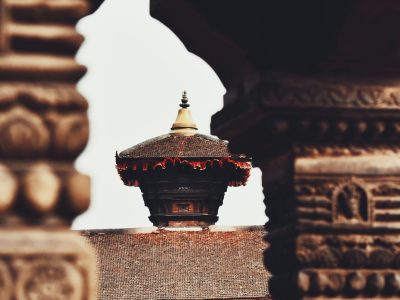

Discover the top 10 festivals in Nepal and experience the vibrant culture, tradition, and celebrations that make this country so unique. Plan your trip to align with Nepal’s most exciting festivals.
Nepal is a land of vibrant cultures, and nothing reflects its rich diversity better than its festivals. From grand religious processions to colorful harvest festivals, the people of Nepal celebrate a variety of traditions throughout the year. Whether you’re visiting the bustling cities or the quiet mountain villages, you’ll find festivals that immerse you in the culture, spirituality, and joy of the country. This guide will take you through the top 10 festivals in Nepal you must experienceto truly appreciate the heart and soul of this incredible nation.
Table of Contents
- Why Festivals Are So Important in Nepal
- Top 10 Festivals in Nepal
- Travel Tips for Experiencing Festivals in Nepal
- Conclusion
Why Festivals Are So Important in Nepal
Nepal’s festivals reflect its deep-rooted traditions and the harmonious coexistence of Hinduism, Buddhism, and other ethnic cultures. These celebrations serve as important cultural touchstones, allowing families and communities to come together, honor their heritage, and express their faith. The festivals are also colorful and lively events, filled with music, dancing, and feasting. For travelers, Nepal’s festivals provide a unique opportunity to experience local life, culture, and spirituality firsthand.
Top 10 Festivals in Nepal
Dashain
Dashain is Nepal’s biggest and most important festival, celebrated by Hindus across the country. Lasting for 15 days, Dashain symbolizes the victory of good over evil and honors the goddess Durga. Families reunite during this time to exchange blessings, gifts, and enjoy feasts. Homes are cleaned and decorated, and animal sacrifices are made as offerings to the goddess. The festival is marked by vibrant rituals, temple visits, and large swings (ping) erected in villages for children to enjoy.
- When: September/October (based on the lunar calendar)
- Key Highlights: Family reunions, tika (blessings with red powder), kite flying, and community feasts.
Tihar
Also known as the Festival of Lights, Tihar is a five-day celebration that honors humans, animals, and the gods. Each day of Tihar is dedicated to a different animal or deity, with special ceremonies for crows, dogs, cows, and oxen. The last day, Bhai Tika, celebrates the bond between brothers and sisters. During Tihar, houses and streets are illuminated with oil lamps, and the vibrant rangoli patterns made from colored powders decorate homes.
- When: October/November
- Key Highlights: Worship of animals, Bhai Tika (brother-sister ritual), light displays, and Deusi-Bhailo singing.
Holi
Holi, also known as the Festival of Colors, is one of Nepal’s most joyful festivals. Celebrated in the spring, it marks the victory of good over evil and the arrival of warmer weather. On this day, people throw colored powder and water at each other, filling the streets with vibrant hues. Holi is a time for fun, with communities gathering to dance, sing, and feast. It’s a festival that’s as much about joy and togetherness as it is about tradition.
- When: March (based on the lunar calendar)
- Key Highlights: Color powder throwing, water fights, singing, and street celebrations.
Indra Jatra
One of the biggest festivals in Kathmandu, Indra Jatra honors Indra, the god of rain, and marks the end of the monsoon season. The festival is famous for the chariot procession of Kumari, Nepal’s living goddess, through the streets of Kathmandu Durbar Square. Traditional Newari dances, including the Lakhey dance, are performed to please the gods. The streets come alive with vibrant energy, as the festival is a mix of religious devotion and cultural celebration.
- When: September
- Key Highlights: Kumari chariot procession, masked dances, and offerings to Indra.
Buddha Jayanti
Buddha Jayanti celebrates the birth, enlightenment, and death of Lord Buddha, making it one of the most important festivals for Buddhists in Nepal. The festival is marked with processions, prayers, and lighting butter lamps at Buddhist monasteries and stupas. Lumbini, the birthplace of Buddha, and Boudhanath Stupa in Kathmandu become focal points of the celebrations, attracting thousands of pilgrims and tourists.
- When: May (based on the lunar calendar)
- Key Highlights: Prayers, offerings, processions, and lighting butter lamps at monasteries.
Teej
Teej is a women’s festival dedicated to the goddess Parvati and celebrates marital happiness. Married women fast and pray for the well-being of their husbands, while unmarried women pray for a good husband. The festival is characterized by women dressing in bright red saris and jewelry, performing traditional dances and songs. Pashupatinath Temple in Kathmandu becomes a key site during Teej, where thousands of women gather to worship.
- When: August/September
- Key Highlights: Women’s fasting, dancing, singing, and worship at Pashupatinath Temple.
Maghe Sankranti
Celebrated to mark the end of winter and the beginning of warmer days, Maghe Sankranti is a harvest festival. On this day, families gather to eat special foods like ghee, chaku (molasses), yams, and sesame seed sweets, which are believed to bring good health and fortune. It’s a time to honor the sun god and reflect on the cycles of nature.
- When: January 14
- Key Highlights: Feasting with family, worship of the sun god, and eating traditional foods.
Losar
Losar is the Tibetan New Year, celebrated primarily by the Sherpa, Tamang, and Tibetan communities in Nepal. The festival marks the start of a new year in the lunar calendar and is filled with prayers, feasts, dances, and the exchange of good wishes. In Kathmandu, Boudhanath Stupa and Swayambhunath Stupa are key places for celebrations. People wear traditional clothing, visit monasteries, and perform rituals to drive away evil spirits.
- When: February/March (based on the lunar calendar)
- Key Highlights: Prayers at monasteries, traditional dances, family feasts, and exchanging gifts.
Gai Jatra
Gai Jatra, or the Festival of Cows, is a unique festival that blends mourning with celebration. It is observed by families who have lost loved ones during the year. People dress up in costumes and participate in a lively parade, often accompanied by cows, which are believed to help guide the souls of the deceased to the afterlife. It’s also a time for satirical performances and humor, as the festival helps people cope with grief through joy and laughter.
- When: August
- Key Highlights: Cow processions, costumes, street parades, and satirical performances.
Janai Purnima and Raksha Bandhan
Celebrated by Hindus, Janai Purnima involves the changing of the sacred thread, or janai, worn by Brahmin and Chhetri men. It’s also a day for Raksha Bandhan, where sisters tie a protective thread, or rakhi, around their brothers’ wrists, symbolizing their bond and the brother’s commitment to protect them. This festival is an important expression of familial love and devotion.
- When: August (based on the lunar calendar)
- Key Highlights: Changing of sacred threads, rakhi ceremony, and family gatherings.
Travel Tips for Experiencing Festivals in Nepal
- Plan Ahead: Many festivals follow the lunar calendar, so check dates in advance and plan your trip accordingly.
- Respect Local Customs: Dress modestly and follow local customs, especially at religious sites. Ask permission before taking photos of people during rituals.
- Stay in Festival Hubs: For the best experience, stay in key locations like Kathmandu, Bhaktapur, or Pokhara, where major festivals are celebrated in full.
- Engage with Locals: Many festivals are community-centered. Don’t be shy—locals are often very welcoming and happy to share their traditions with visitors.
Conclusion
Nepal’s festivals are a celebration of life, culture, and spirituality, offering visitors an incredible opportunity to experience the heart of the nation. Whether you’re witnessing the colorful Dashain celebrations, throwing powders during Holi, or watching the chariot procession during Indra Jatra, these top 10 festivals in Nepal will leave you with unforgettable memories. Each festival reveals a different aspect of Nepal’s rich heritage, making any trip to the country a vibrant and immersive experience.
Ready to immerse yourself in Nepal’s festivals? Visit Moksha Travel to plan your trip and explore tailor-made packages for experiencing Nepal’s unique cultural celebrations.
Internal Links:
Explore our Ultimate Kathmandu Travel Guide for more on Nepal’s vibrant culture and must-see attractions during festival season.
External Resources:
- Nepal Tourism Board: Official information on festivals, dates, and cultural celebrations in Nepal.
- Lonely Planet’s Guide to Festivals in Nepal: Comprehensive travel advice for attending festivals across Nepal.
This guide to the top 10 festivals in Nepal offers everything you need to experience the vibrant celebrations and cultural traditions that make this Himalayan nation so extraordinary.